The 800V EV architecture is no longer limited to premium cars and ultra-fast charging demonstrations. It is moving deeper into the battery pack itself — and that shift changes how engineers should specify the components around it.
In September 2026, South Korean supplier INFAC introduced an 800V battery-pack design that integrates an isolated, regulated 800V-to-48V DC-DC converter inside the pack. Reports from Electronics For You and Automotive World highlight the practical result: fewer high-voltage cables and connectors, less space, and a simpler cooling strategy. Vicor, whose power-conversion technology is used in the design, says the approach supports 48V zonal architectures without requiring a separate remote converter.
This is an important direction for the industry. The vehicle is not simply charging at a higher voltage; the battery pack is becoming a more integrated power-distribution platform. That puts more responsibility on the components that isolate, protect and connect the DC bus.
At the same power level, doubling voltage approximately halves current. That can reduce cable cross-section, resistive loss and charging heat. But the electrical stress does not disappear. Higher voltage increases the demands on insulation, creepage, clearance, switching behavior and fault interruption.
The result is a component specification that must be designed around the complete 800V system — not selected from a 400V parts list with a larger label.
A high-voltage DC contactor must open a live circuit without relying on AC zero-crossing. Its arc-control design, breaking capability, coil behavior, pre-charge compatibility and endurance under real load all matter. For an 800V battery, a 1000V DC-rated contactor provides useful design margin, but buyers should still request the manufacturer's DC load curves and switching-life data.
The contactor also has to work with the pack's pre-charge circuit. Closing the main contacts before the DC link is equalized can create a damaging inrush event; closing too slowly can increase contact wear. The right choice is therefore a system decision involving the inverter, DC-DC converter, capacitor bank and BMS logic.
A fuse is the last line of defense when a short circuit exceeds what active switching devices can interrupt. At 800V, selection must consider rated voltage, breaking capacity, prospective short-circuit current, pre-arcing I²t and the actual temperature inside the battery enclosure.
A fuse that looks adequate on a nominal current table may fail to coordinate with a contactor, inverter or DC-DC converter during a high-energy fault. Ask for time-current curves, derating data and verification at the intended voltage — not only a current rating printed on a datasheet.
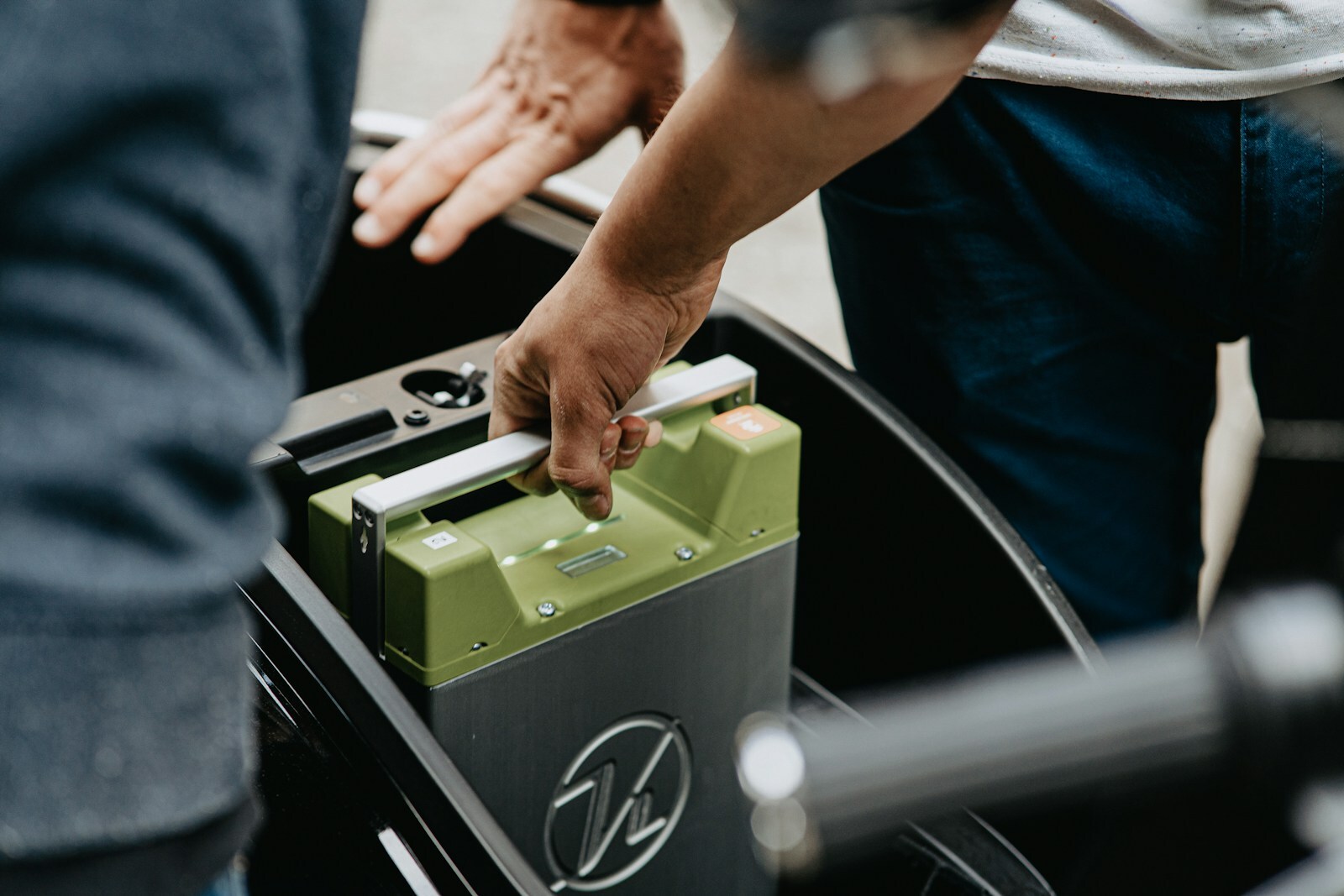
Integrating conversion inside the battery pack can reduce the number of external connections, but every remaining high-voltage interface becomes more important. Connector selection should cover creepage and clearance, touch protection, HVIL integration, temperature rise, vibration resistance and mating-cycle life.
Environmental protection matters as well. A connector exposed to condensation, road splash or workshop cleaning needs a verified IP rating, suitable insulation materials and stable contact resistance over time. For outdoor chargers and energy-storage equipment, IP67/IP69K sealing can help protect the same DC interconnection philosophy beyond the vehicle.
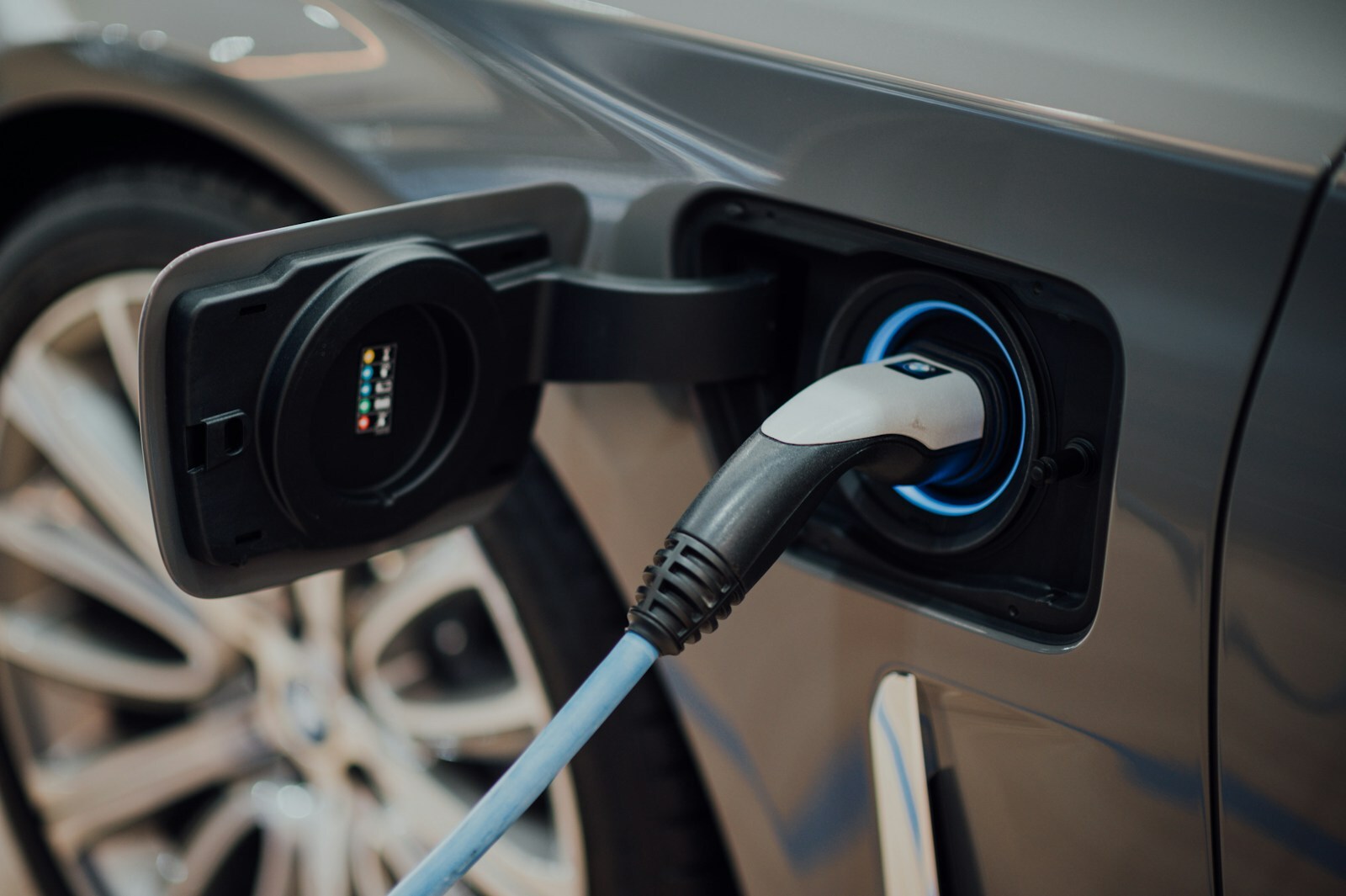
For an 800V platform, ask suppliers for five documents: DC contactor load and breaking curves; fuse time-current and I²t data; connector creepage and clearance drawings; temperature-rise and endurance results; and evidence of third-party certification for the intended voltage class. Then check that the complete chain — battery, contactor, fuse, connector, inverter and DC-DC converter — has been tested together under realistic fault and thermal conditions.
Beian New Energy's product range covers the surrounding DC architecture, including the NDZ3T-300P contactor listed at 300A and 24–1000VDC, high-voltage fuses, power modules, circuit breakers, battery packs and solar inverters. The broader lesson is simple: 800V is not only a powertrain upgrade. It is a redesign of the DC safety boundary. Components selected with voltage margin, verified interruption data and robust interconnection design will determine whether the next generation of compact, high-power battery packs is merely efficient — or dependable in the field.

