The new DC platform sidesteps grid constraints with a battery buffer on the DC bus, raising efficiency and setting a fresh benchmark for EV fast-charging hardware.
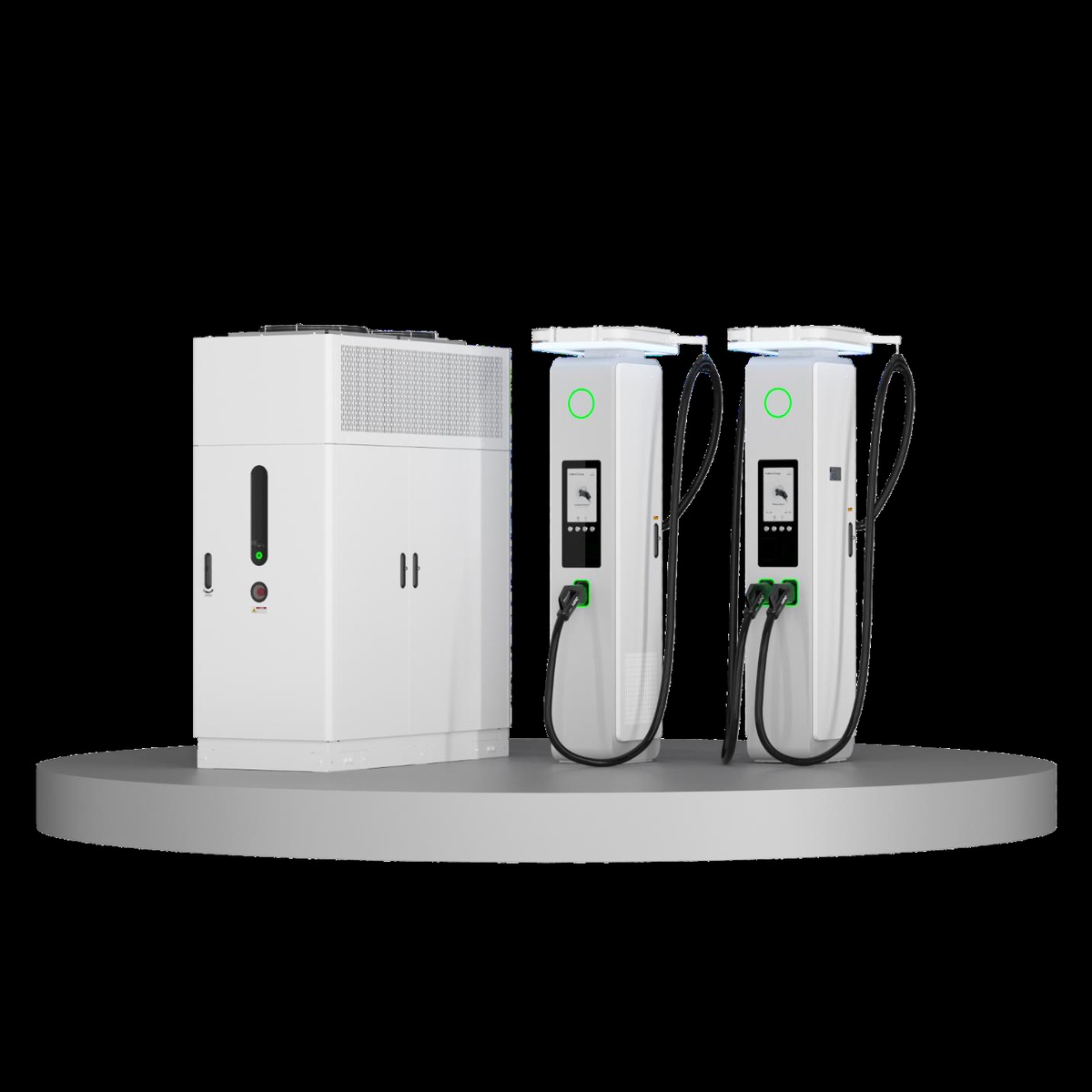
At this year's Power2Drive trade show in Munich, Huawei unveiled an ultra-fast EV charging platform that can add roughly 200 kilometres, or 125 miles, of range in five minutes. The headline figure is eye-catching, but the real engineering story is how the system delivers up to 720 kW without forcing operators to wait months for a grid upgrade. Across Europe, ageing substations and permit backlogs have long slowed high-power charger rollouts, making this a timely answer to a practical bottleneck.
The platform uses a stationary battery buffer on the same direct-current bus as the dispensers. Instead of drawing peak power straight from the grid, the station trickle-charges its internal battery through a modest 50 kW connection and releases that stored energy during each session. By linking the battery directly to the DC bus, the design removes one conversion stage, lifting storage efficiency to 92.1 percent and overall charging-complex efficiency to 96 percent.
Technically, the system spans 150 to 1,000 volts and outputs up to 720 kW. Primary liquid-cooled dispensers handle 800 amperes, while boost dispensers manage 600 amperes. An enclosed liquid-cooling loop runs through the power units, cables and nozzles, keeping noise below 55 decibels and shielding electronics from humid dust and salt fog. Huawei also claims a ten-year service life and TÜV prime-level safety certification, with an automated power-sharing matrix redistributing capacity when several vehicles plug in at once.
For fleet operators, highway service stations and urban fast-charge hubs, this architecture changes the economics of ultra-fast charging. Existing sites can be upgraded from fast to ultra-fast without replacing the whole infrastructure, protecting earlier capital investments. Huawei has already developed a megawatt-class charger in China and plans European field trials before a wider launch, signalling that the race for higher power is only accelerating.
Installations like this show why robust high-voltage DC switching matters at every stage of the power path. The battery buffer, DC bus, dispenser output and any future vehicle-to-grid link all need contactors that can make and break current cleanly under severe stress. That is where an industrial-grade HV DC contactor or compact DC-DC converter becomes essential. At xcontactor, our NDZ series covers 12 V to 1,500 V and 10 A to 800 A, matching the voltage and current envelope of the latest liquid-cooled chargers. If you are specifying switching or isolation for a next-generation charging pile, send us your requirements and we will recommend a part that fits your thermal, electrical and safety margins.


