For battery suppliers selling into Europe, the compliance clock is no longer theoretical. On 18 August 2026, the EU Battery Regulation's labelling requirements took effect: batteries placed on the EU market must now carry detailed information on capacity, chemistry, hazardous substances and expected lifespan as physical markings. Then, on 18 February 2027, the digital battery passport and its QR code become mandatory for EV batteries, light means of transport (LMT) batteries, and industrial batteries above 2 kWh. The Commission's passport registry already went live in July 2026.
Why the August 2026 step caught people off guard.
Many suppliers assumed the only real deadline was 2027. It isn't. The general labelling obligations apply from 18 August 2026 — with one caveat worth knowing: where the labelling-format implementing act arrives late, the obligation shifts to 18 months after that act, which can push certain label formats toward late 2027. Either way, a standard sticker no longer satisfies customs. Authorities will look for specific data points physically printed on the battery, backed by the CE conformity documentation behind them. Market surveillance bodies can request that evidence during audits, and non-compliant inventory risks being held at the border.
What actually lands in February 2027.
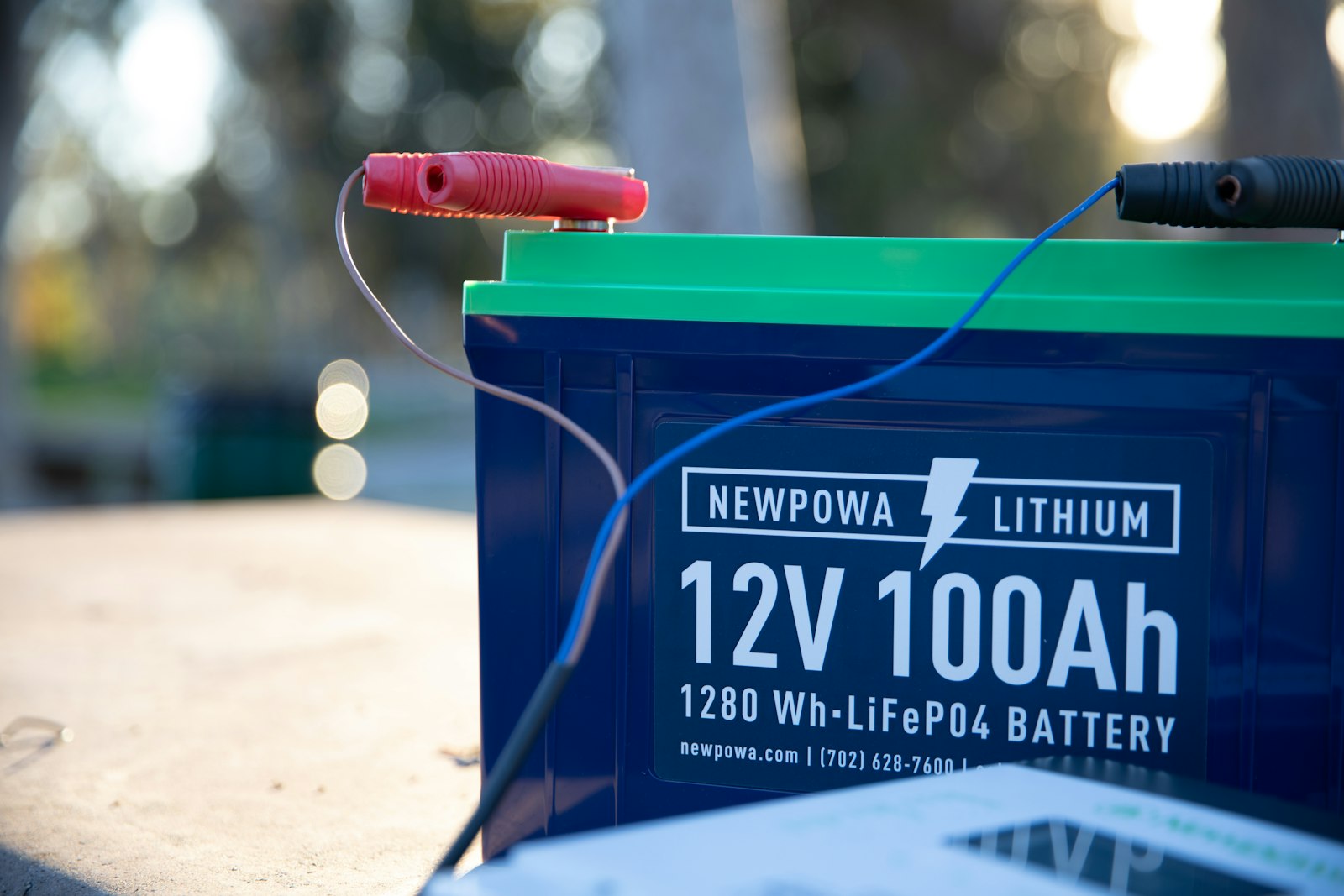
A QR code on the battery must resolve to a digital passport. In total the framework defines 71 data points; at launch, the mandatory subset is 46 for EV batteries, 49 for LMT batteries and 32 for industrial batteries above 2 kWh. Initial fields centre on identification, manufacturer information, capacity, chemistry and — for batteries above 2 kWh — carbon footprint. Critically, the legal duty sits with the economic operator placing the finished battery on the EU market, not with individual component or module suppliers. If you manufacture in Asia and sell to an EU business, expect your EU partner to ask you for the underlying data.
The industry is already moving.
Chinese battery producers began preparing for the passport scheme well before the deadline (Argus Media, November 2025), and by August 2026 they were competing on zero-carbon manufacturing to protect EU export access (SCMP, 7 August 2026). The Global Battery Alliance launched 17 supply-chain partnerships in early 2026 to trial operational passports. Carbon-footprint and traceability data are shifting from compliance paperwork to procurement criteria. The passport also carries a second-life dividend: verified state-of-health data helps a pack retain residual value when it is repurposed instead of scrapped.
A practical checklist for the next twelve months.

Our take.
Our lithium batteries power solar storage systems, electric forklifts, marine vessels, golf carts and AGVs — segments where industrial batteries above 2 kWh dominate, which means the passport timeline lands directly on our customers' projects. We are building compliance-ready documentation into our packs: verified capacity and chemistry data, bill-of-materials-level traceability, and the test documentation our EU partners need to meet their own obligations. The data chain takes months to assemble, not weeks. If you sell into Europe, start now — and talk to our team about your next EU-bound project.


