2026 is the year vehicle-to-everything stopped being a pilot. The EU is moving to require bidirectional charging as a standard feature, anchored on ISO 15118-20 for both AC and DC connections (Council of the EU, 2026). In California, regulators approved the first AC vehicle-to-grid connection — a Tesla Cybertruck selling power back through Pacific Gas & Electric under the Rule 21 tariff pathway — while more than 1,800 of the state's electric school buses already carry bidirectional capability (CPUC filings; Vehicle-Grid Summit, 2026). Industry expectations have followed: by 2030, V2X is forecast to shift from pilot programmes to mainstream fleet and building deployment.
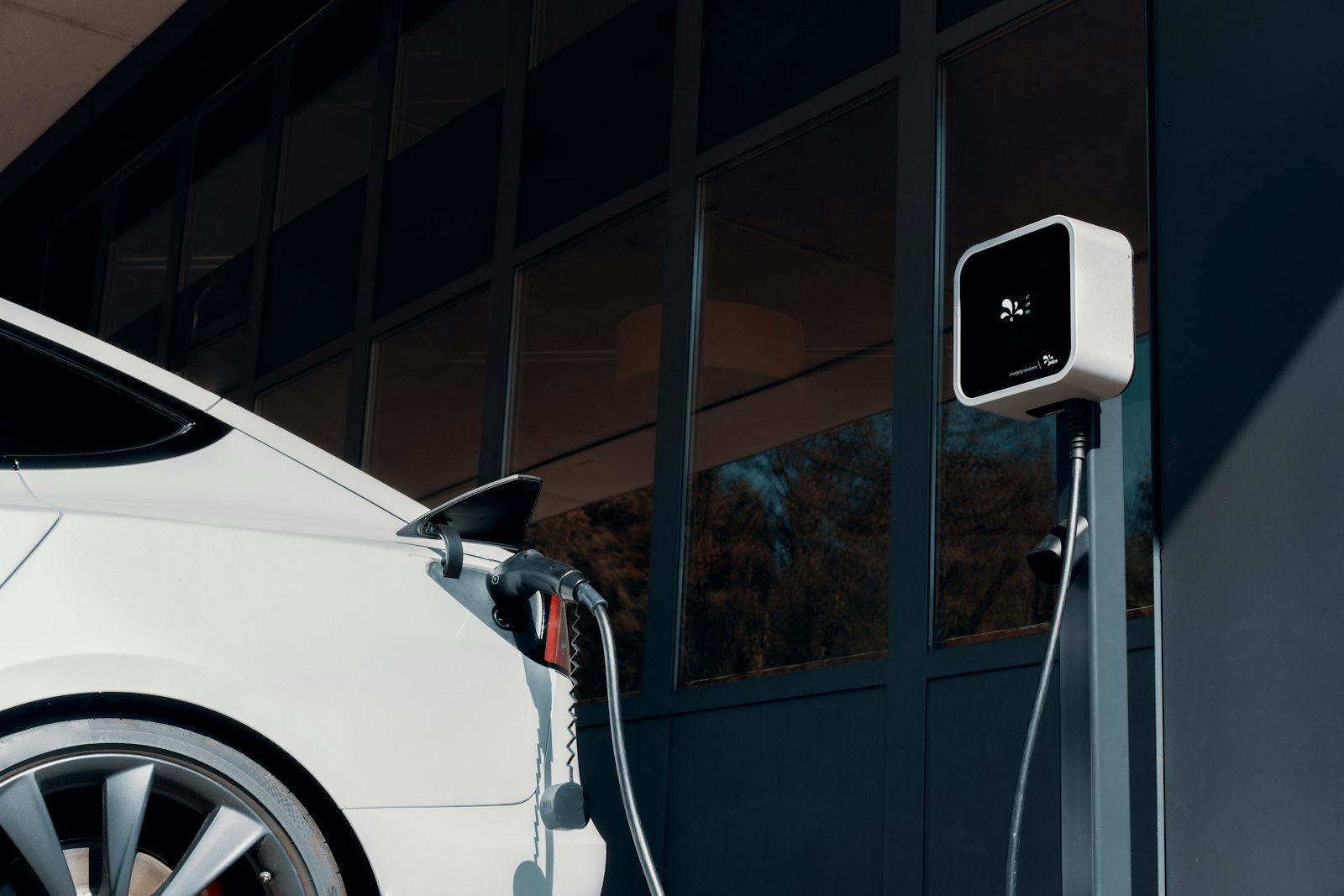
The driver is grid economics, not novelty. A 2026 analysis by V2G News found that bidirectional charging can deliver substantially greater grid value than one-way managed charging — precisely in regions where distribution capacity is tight. One-way smart charging can only shift when vehicles draw power; bidirectional charging lets utilities call on parked batteries to shave evening peaks, absorb midday solar, and back up buildings during outages. With ISO 15118-20 standardizing the "digital handshake" for both AC and DC, the software layer is finally ready. The hardware layer is the next bottleneck.
Two-way power is hard on components. When energy flows in both directions, every device in the charging chain is stressed differently than in one-way charging:
This is the layer where suppliers like us operate. Our EVQ waterproof connector series — IP67/IP69K sealed, double O-rings, rated up to 1000 V DC — and our EVD DC contactor series are engineered for exactly this kind of bidirectional, high-cycle duty.
A checklist for V2X-ready procurement. When specifying components for grid-interactive charging, verify five things. First, DC voltage class: 1000 V DC-rated components suit today's fast-growing 800 V vehicle platforms. Second, contactor arc performance: demand documented DC interruption ratings, not AC-only curves. Third, connector endurance: look for stated mating-cycle life and low and stable contact resistance under load. Fourth, environmental ratings backed by third-party test evidence — IP67/IP69K, salt-spray and UV resistance for outdoor installs. Fifth, standards traceability: the vehicle interface follows IEC 62196 and communication follows ISO 15118-20, but every component inside the chain should carry UL, IEC or TÜV certification you can verify.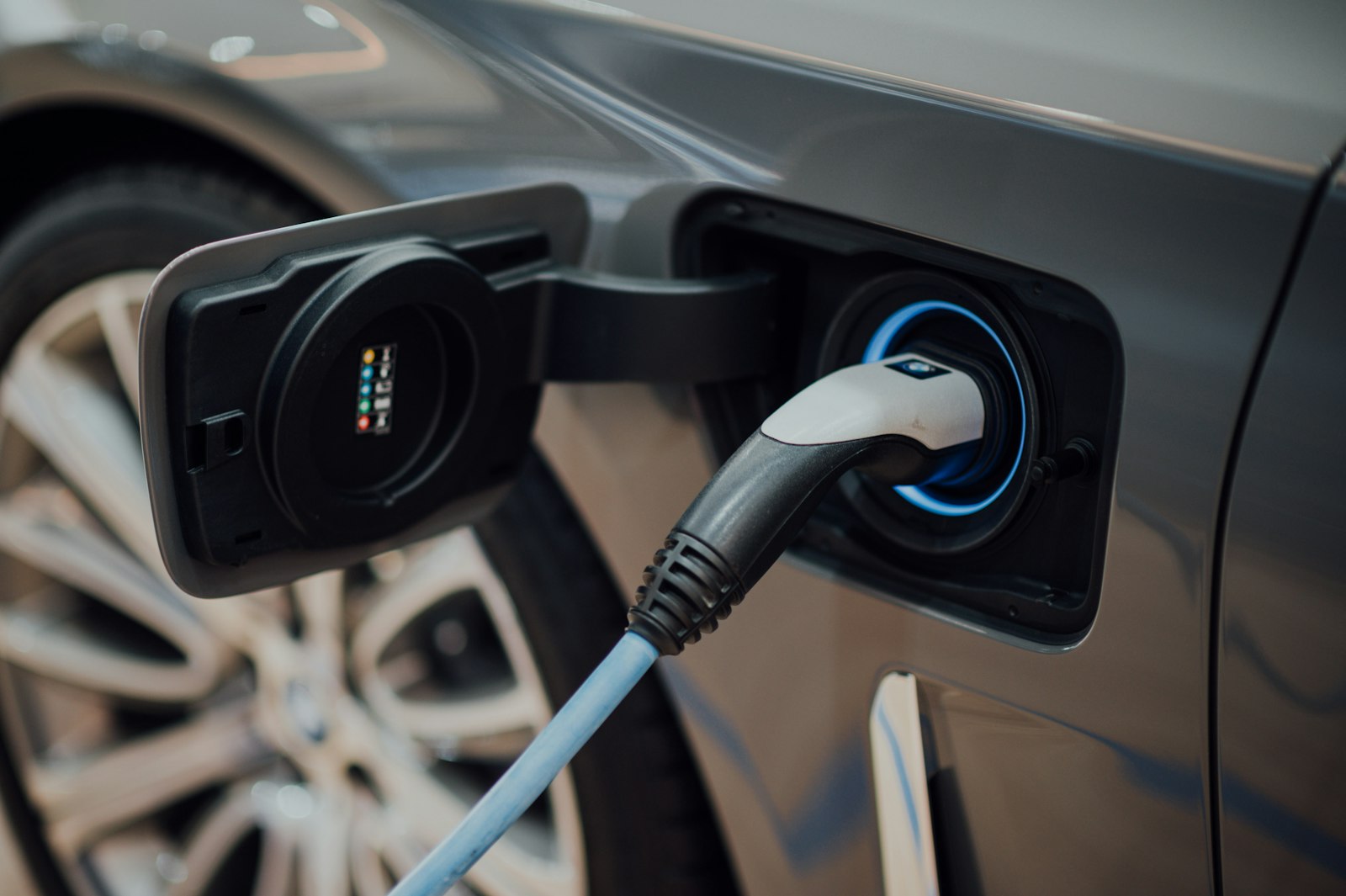
The takeaway. V2X turns the EV into a grid asset — and grid assets are bought on reliability, not price. As utilities, fleets and building owners deploy bidirectional charging at scale, the components inside the charging chain will decide which programs scale smoothly and which stall on maintenance callouts. Specifying connectors, contactors and protection that are rated for two-way power, real environments and decades of cycles is the difference between a V2X pilot and a V2X business. Our engineering team can help you match the right DC components to your next grid-interactive project — contact us to talk specifications.


